Restaurant Marketing Trends to Watch in 2026
It’s lunchtime, and a loyal customer walks in, your app sends them a notification about today’s special before they even reach the door. Later that evening, a first-time visitor scans a QR code at the entrance and gets a personalized menu based on their preferences.
Across town, your social media post featuring an exclusive weekend offer goes viral, driving a full house. These aren’t isolated moments; they’re the future of restaurant marketing.
In 2026, trends in personalization, AI, digital engagement, and hyper-local campaigns are transforming how restaurants connect with diners. In this blog, you’ll explore the key trends to watch and learn how to leverage them to create experiences your customers won’t forget.
Why Restaurant Marketing Matters More Than Ever
With restaurant owners facing growing competition, rising food costs, and changing consumer behaviors, standing out in a crowded marketplace is harder than ever. Your marketing efforts, whether it’s through social media, loyalty programs, or your POS system, have the power to make or break your business.
Now, with 2025 just around the corner, staying ahead of these trends is crucial. A well-executed marketing strategy can keep your restaurant at the forefront of customers’ minds while increasing their lifetime value.
1. AI-Driven Customer Engagement Tools
In 2025, AI will play a significant role in helping restaurants understand and engage with their customers on a deeper level. Chatbots, predictive ordering systems, and AI-powered email marketing are transforming how restaurants interact with their guests. AI allows you to tailor your messaging, offers, and promotions based on customer behavior.
Example:
Imagine sending a personalized discount to a loyal customer who typically orders lunch on Tuesdays, without manually tracking that data. AI systems integrated into your restaurant’s POS system can make this happen automatically, driving engagement and increasing repeat visits.
Key takeaway:
Using AI to analyze purchasing patterns will help create more relevant promotions and streamline customer experiences, making them feel more valued and likely to return.
2. Omni-Channel Marketing and Customer Journey Mapping
Gone are the days of focusing on just one marketing channel. In 2025, restaurants need to offer a seamless experience across multiple touchpoints, including email, social media, mobile apps, and in-store interactions. This is known as omni-channel marketing.
Customers expect consistency in their experiences, whether they’re browsing your website, using a mobile app, or ordering in person. Customer journey mapping allows you to understand how consumers interact with your restaurant and tailor your marketing strategies to guide them through each stage, attract, engage, and convert.
Example:
A guest who browses your menu online and leaves without making an order may be retargeted with a special offer via an app notification or email. This ensures that the conversation with the customer doesn’t end when they leave your website or app.
Key takeaway:
Omni-channel marketing ensures that you can meet your customers where they are, driving higher engagement and increasing conversion rates.
3. The Increase in Gamification in Restaurant Loyalty Programs
Gamification is set to be one of the biggest restaurant marketing trends in 2025. By adding game-like elements to your loyalty program, you can engage customers in a fun, interactive way. Points systems, challenges, leaderboards, and rewards will make dining out feel like an experience worth coming back to.
Example:
What if customers earned points for not only spending money but for sharing their experiences on social media, referring friends, or even participating in weekly challenges? These rewards can then be redeemed for discounts, exclusive menu items, or special experiences.
Key takeaway:
Gamified loyalty programs are a powerful tool for fostering customer retention, as they create excitement and incentivize customers to return more frequently.
Also Read: Why PAYS POS Beats Every Other System in the USA
4. Personalization and Dynamic Pricing
In 2025, dynamic pricing will become more common in restaurants. This is where the price of a menu item fluctuates based on various factors, such as demand, time of day, or even customer preferences. Along with dynamic pricing, personalization will play a huge role in how you tailor your restaurant’s offerings to individual customers.
Example:
A customer who frequently orders a certain entrée could be given a personalized discount or a “special offer” on that dish the next time they visit. This level of personalization not only makes your guests feel valued but also drives increased spend.
Key takeaway:
By combining personalization with dynamic pricing, restaurants can optimize their offerings to improve the guest experience and maximize profitability.
5. Influencer and User-Generated Content (UGC)
In 2025, influencers and UGC will continue to drive restaurant marketing. Consumers trust user-generated content more than branded ads, and restaurant owners can harness this power by encouraging their customers to share their experiences online.
Example:
Restaurants can incentivize customers to share photos of their meals on Instagram with a branded hashtag, offering a chance to win a free meal or other incentives. This content can then be repurposed on the restaurant’s social channels to build community engagement and attract new guests.
Key takeaway:
Influencer marketing and UGC campaigns create authenticity, which resonates with today’s customers and enhances brand trust.
6. Integrated POS Systems with Marketing Features
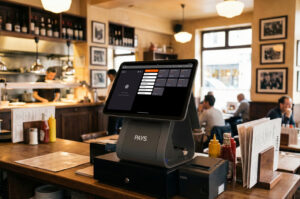
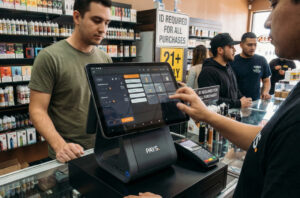
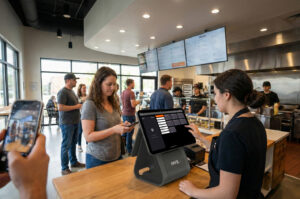
An integrated POS system is no longer just a transaction tool, it’s a marketing powerhouse. Modern POS systems like PAYS POS are evolving to offer marketing features such as built-in loyalty programs, email automation, and real-time data insights into customer preferences and buying patterns.
Example:
PAYS POS allows restaurant operators to automatically segment customers based on spending habits or visit frequency, sending personalized promotions directly to their phones or email inboxes.
Key takeaway:
By integrating marketing capabilities into your POS system, restaurants can streamline operations while simultaneously boosting customer retention and satisfaction.
Which Common Mistakes You need to Avoid for Restaurant Marketing
- Ignoring Data Insights: Not leveraging the data from your POS and CRM systems can lead to missed opportunities in personalization and customer engagement.
- Overcomplicating Loyalty Programs: Gamification and rewards programs are effective when they are easy to understand and engaging. Don’t overcomplicate the process.
- Neglecting Mobile Optimization: Many customers interact with restaurants primarily through their smartphones. If your website or app isn’t optimized for mobile, you’re missing out on potential sales.
Also Read: How PAYS POS Automates Shift Management, Roles & Permissions
Why PAYS POS Provides a Better Solution
When it comes to restaurant marketing, having the right tools can make all the difference. and that’s where PAYS POS stands out. Here’s why it provides a better solution for restaurants looking to engage diners, boost sales, and streamline promotions:
- Centralized Marketing Management – PAYS POS lets you manage all your marketing campaigns from a single dashboard. Whether it’s QR code promotions, email offers, or loyalty rewards, you can plan, launch, and monitor everything without juggling multiple platforms.
- Data-Driven Insights – Understand your customers like never before. PAYS POS tracks customer behavior, purchase history, and engagement metrics, allowing you to tailor promotions that actually resonate and drive repeat visits.
- Seamless Loyalty and Rewards Integration – Turn casual diners into loyal regulars. PAYS POS integrates your loyalty programs directly with marketing campaigns, making it easy for customers to earn points, redeem rewards, and stay engaged.
- Personalized Promotions Made Easy – With PAYS POS, you can send targeted offers based on customer preferences, visit frequency, or past orders. Personalization boosts engagement, encourages repeat visits, and increases average order value.
- Automation Saves Time – From scheduling promotions to sending reminders or follow-ups, PAYS POS automates repetitive marketing tasks so your team can focus on delivering a great dining experience.
- Measurable Results – Every campaign you run through PAYS POS comes with built-in analytics. Know exactly which promotions work, which customers respond best, and how to optimize for future campaigns.
With PAYS POS, restaurant marketing isn’t just about sending offers. It’s about creating meaningful, personalized experiences that drive growth.
Conclusion
The future of restaurant marketing in 2026 is all about adapting to new technologies, enhancing customer experiences, and integrating seamless systems to make every interaction count. Now is the time to stay ahead of the curve and adapt your marketing strategies to include the trends we’ve highlighted.
Book a Free Demo of PAYS POS today and see how our system can revolutionize your marketing efforts and help you thrive in 2026 and beyond.
FAQs
Dynamic pricing allows you to adjust prices based on demand, time, or customer behavior, maximizing profitability while offering guests more personalized options.
Gamification involves adding game-like elements (such as points and challenges) to your loyalty program, which motivates customers to engage more frequently.
AI-driven tools allow you to personalize your interactions with customers, providing tailored promotions and offers based on their behavior and preferences.
Look for features like integrated loyalty programs, customer segmentation, real-time data analytics, and marketing automation, all of which PAYS POS provides.
Encouraging customers to share their experiences on social media can increase brand visibility, build trust, and attract new customers through authentic content.