Why Modern Retailers Are Upgrading Their POS in 2026
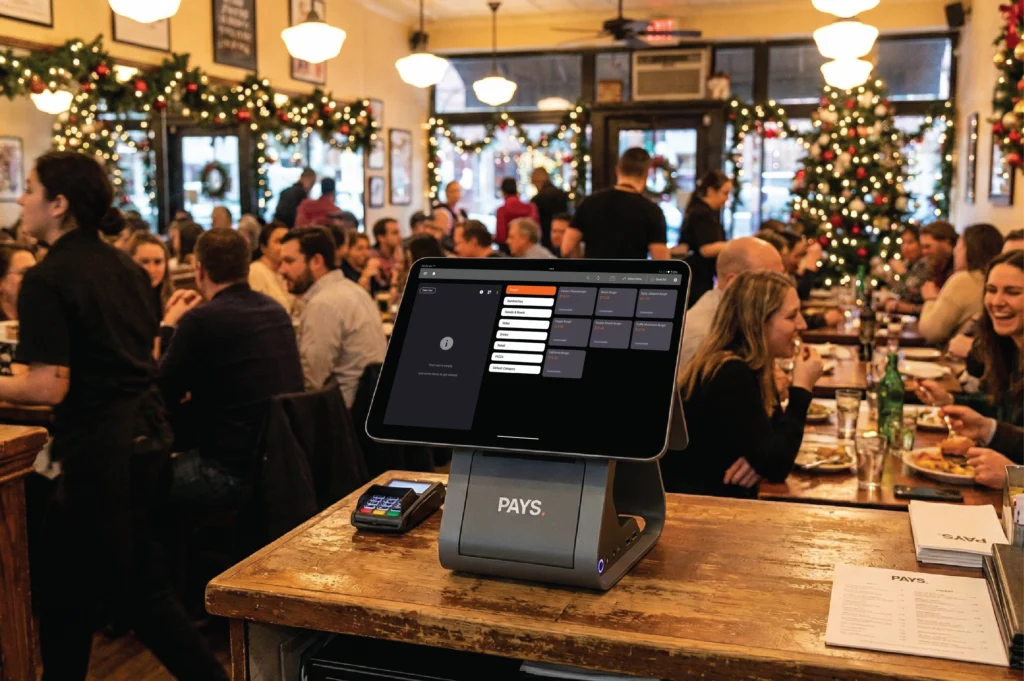
When was the last time your POS system actually helped you grow your business, rather than slow it down?
In 2026, retailers aren’t upgrading their POS because it looks nicer or has a few extra features. They’re upgrading because the way people shop, pay, and interact with brands has fundamentally changed. Customers expect faster checkouts, flexible payment options, accurate inventory, and personalized experiences, all in real time. Meanwhile, retailers are under pressure to protect margins, stay compliant, and make smarter decisions with less room for error.
Legacy POS systems were built for a different retail era, one where end-of-day reports were enough and manual work was accepted. Today, those systems quietly cost retailers sales, efficiency, and customer trust. That’s why modern retailers are rethinking their point-of-sale in 2026, not as a cash register, but as the backbone of their entire operation.
This shift isn’t a trend. It’s a necessity.
Retail Has Changed Faster Than Your POS System
If you’ve been in retail for more than a few years, you’ve felt it already.
Customers don’t shop the way they used to. They move between online and in-store without thinking about it. They expect instant checkouts, accurate stock, and zero friction, every single time. But if your POS was built five or ten years ago, it’s probably still operating like retail hasn’t changed at all.
You’re juggling manual inventory checks, slow reports, workarounds, and “end-of-day” insights that arrive too late to fix anything. What used to feel normal now feels exhausting. And the gap keeps growing, between what your business needs and what your POS can actually deliver.
Retail didn’t break overnight. It evolved quietly. And while customer expectations sped up, most legacy POS systems stayed exactly where they were. That’s why upgrading in 2026 isn’t about chasing new tech, it’s about catching up to the reality you’re already living in.
Also Read: Rethink Your Retail POS This New Year for Smarter Operations and Growth
Customer Expectations at Checkout Are Higher Than Ever
Think about your own patience as a customer. If a line moves slowly, a card reader freezes, or a payment fails, you feel it instantly. Your customers feel the same way, except they’re deciding whether to come back.
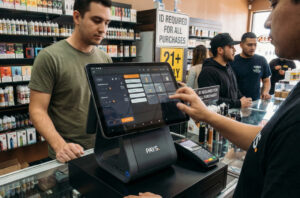
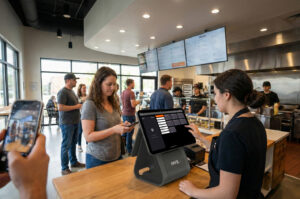
In 2026, checkout isn’t just the last step of a sale. It’s the moment that defines the entire shopping experience. Customers expect tap-to-pay, mobile wallets, split payments, digital receipts, and loyalty rewards to work without friction. When they don’t, the frustration gets tied to your brand, even if the issue is your POS.
If your system can’t keep up, your staff ends up apologizing, improvising, or restarting transactions. That pressure builds during peak hours, and small delays turn into long lines and lost sales. Modern retailers are upgrading because they know checkout speed and reliability aren’t “nice to have” anymore, they’re the baseline.
A modern POS removes those awkward moments. It lets your staff focus on people, not problems, and keeps customers moving, satisfied, and coming back.
Inventory Is More Complicated Than You’re Willing to Admit
You already know inventory is a headache. What you might not realize is how much your POS is contributing to it.
Between product variants, fast-moving SKUs, seasonal items, and multiple sales channels, keeping inventory accurate in 2026 is no longer a back-office task, it’s a daily survival challenge. When your POS doesn’t update stock in real time, you’re left guessing. And guessing leads to overselling, stockouts, or money sitting on shelves longer than it should.
You shouldn’t have to double-check numbers or rely on manual counts to feel confident about what’s actually available. Yet that’s exactly what happens when your system wasn’t designed to handle modern retail complexity. The result? Staff confusion, customer disappointment, and missed opportunities you only notice after the fact.
That’s why modern retailers are upgrading their POS, to gain control. Real-time inventory, automatic syncing, and clear visibility turn inventory from a constant problem into a strategic advantage.
Compliance, Security, and Risk Aren’t Optional Anymore
If your POS hasn’t been updated in years, it’s not just outdated, it’s risky.
In 2026, retailers are dealing with stricter payment rules, higher scrutiny, and customers who expect their data to be protected without question. One security gap, one compliance miss, or one chargeback spiral can turn into a serious problem fast. And the scary part? Most issues don’t announce themselves until it’s already too late.
Older POS systems weren’t built for today’s risk environment. They struggle with secure payment handling, lack proper access controls, and leave too much room for human error. When something goes wrong, you’re stuck reacting instead of preventing.
Modern retailers are upgrading because they want peace of mind. They want systems that handle compliance in the background, reduce exposure to fraud, and protect both customer data and revenue, without adding more work to their day. In 2026, feeling “mostly secure” just isn’t enough.
Also Read: Top Tips for Finding the Right POS System for Your Retail Business
POS Data Now Drives Your Business Decisions
In 2026, running a retail business on gut instinct isn’t brave, it’s risky.
Every decision you make, from staffing to pricing to promotions, is shaped by what you know. And today, your POS is no longer just recording sales, it’s quietly becoming your most important source of truth. The problem is, older systems don’t give you insights, you get raw numbers with no context, usually after the damage is already done.
Modern retailers are upgrading because they want answers while it still matters.
With a modern POS, you’re no longer asking vague questions like “Did we do well last month?” You’re getting specific, actionable clarity, such as:
- What products are actually driving profit, not just revenue
- Which hours and days bring real foot traffic, so staffing makes sense
- Which items are slowing down cash flow by sitting too long on shelves
- Which locations, categories, or staff perform better, and why
Instead of digging through spreadsheets or waiting for end-of-day reports, you see what’s happening in real time. That changes how you operate.
A modern POS helps you make smarter decisions by giving you:
- Live sales dashboards that show performance as it happens
- Margin and cost tracking, so discounts don’t quietly eat profits
- Customer buying patterns, revealing what people actually come back for
- Trend visibility, helping you spot demand shifts before they hurt sales
- Clear reports you don’t need to “decode” just to understand your business
When your POS data is accurate, timely, and easy to understand, decision-making becomes less stressful. You stop reacting late and start adjusting early. That’s why retailers upgrading in 2026 aren’t chasing more data, they’re choosing better data.
Data doesn’t replace experience. It sharpens it.
You Need a POS That Scales With You, Not One That Holds You Back
Growth sounds exciting, until your POS can’t keep up with it.
What works for one store, one counter, or one team quickly breaks when you add new locations, channels, or product lines. In 2026, retailers aren’t just upgrading because they’re growing fast, they’re upgrading because they plan to. And they don’t want their POS to be the reason they hesitate.
A modern POS is built to scale without forcing you into workarounds or expensive replacements later. It adapts as your business evolves, instead of locking you into rigid processes that slow you down.
Here’s what scaling-friendly POS systems do differently:
- Support multiple locations from a single dashboard, so you’re not managing stores in silos
- Sync inventory and pricing in real time across all locations and channels
- Handle peak traffic without crashing or lagging, even during promotions or holidays
- Make onboarding new staff easier, so growth doesn’t mean chaos
- Integrate smoothly with other tools like eCommerce, accounting, loyalty, and reporting software
Future-proof POS systems are also cloud-based, which means updates, security improvements, and new features happen quietly in the background, without disrupting your business. You don’t have to schedule downtime just to stay current.
Retailers upgrading in 2026 aren’t thinking about today alone. They’re choosing systems that give them flexibility, confidence, and room to move, whether that means opening another store or simply running the one they have more efficiently.
Also Read: Why Manage Multiple Systems When One Online Point of Sale Can Handle Everything?
How PAYS POS Helps You Upgrade Your Retail Game in 2026
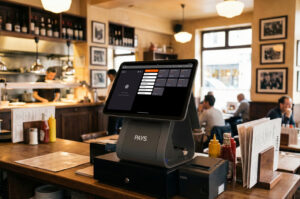
Upgrading your POS isn’t just about getting new software, it’s about choosing a system that actually solves the challenges you face every day. Retailers switching to PAYS POS do it because it’s built around real-world retail problems: faster checkouts, real-time inventory, smarter insights, and smoother daily operations.
Here’s how PAYS POS helps you:
Faster, More Reliable Checkout
- Processes transactions quickly, reducing long lines and checkout delays
- Supports all major payment methods, including cards, contactless, digital wallets, and UPI
- Offers digital receipts via SMS or email for a cleaner, more professional checkout experience
This results in fewer abandoned purchases and a smoother experience for both customers and staff.
Real-Time Inventory Across All Channels
- Automatically updates inventory with every sale
- Supports barcode scanning and accurate SKU-level tracking
- Syncs inventory across multiple locations from one system
You no longer have to guess what’s in stock or deal with disappointed customers at the counter.
Actionable Insights and Reporting
- Clear dashboards showing sales performance, peak hours, and best-selling products
- Sales and inventory reports that help you reorder smarter and staff more efficiently
- Location-wise reporting for multi-store operations
Your POS data becomes something you can actually use, without digging through spreadsheets.
Built to Scale as You Grow
- Centralized management for multiple stores
- Cloud-based access so you can monitor operations anytime, anywhere
- Simple onboarding that helps new staff get productive quickly
Whether you’re running one store or expanding, the system grows with you instead of holding you back.
Tools That Simplify Everyday Operations
- Customer profiles that support loyalty and repeat visits
- Integrated reporting and business tools that reduce dependency on third-party software
- Reliable support to help you resolve issues quickly
PAYS POS works as a complete retail control center, supporting speed, accuracy, compliance, and growth, which is exactly why modern retailers are upgrading their POS in 2026.
Conclusion
Retail in 2026 rewards businesses that move fast, stay informed, and deliver consistently good experiences. If your POS is slow, disconnected, or difficult to use, it quietly affects everything, from checkout speed and inventory accuracy to customer trust and daily decision-making.
Modern retailers aren’t upgrading because their old systems completely failed. They’re upgrading because they don’t want to wait for that moment. They want better visibility, fewer manual processes, and technology that supports growth instead of slowing it down.
A modern POS gives you control over sales, inventory, data, and customer experience. And in a retail environment where margins are tight and expectations are high, control is the real advantage.
If your POS still feels like a cash register instead of a business tool, it’s time to rethink what it’s doing for you.
Explore how PAYS POS helps modern retailers simplify operations, gain real-time insights, and scale with confidence in 2026 and beyond.
Upgrade your POS. Upgrade how you run your business. Book a demo now.
FAQs
PAYS POS is built for modern retail operations, not just billing. It combines fast checkout, real-time inventory, integrated payments, and actionable reporting in one system, so you don’t need multiple tools to run your store efficiently.
Yes. PAYS POS is designed to scale. You can manage one store or multiple locations from a single dashboard, with synced inventory, pricing, and reporting across all outlets.
PAYS POS supports multiple payment methods, including cards, contactless, digital wallets, and UPI, all within one system. Faster processing and reliable payment handling help reduce long lines and failed transactions at checkout.
Absolutely. Every sale updates inventory in real time, allowing you to track stock at the SKU level, prevent stockouts, and reduce over-ordering. This helps you maintain better control over cash flow and product availability.
Yes. PAYS POS is designed with a simple, intuitive interface that reduces training time and minimizes errors. New staff can get up to speed quickly, even during busy retail hours.