What Most Business Owners Get Wrong About Point of Sale Systems
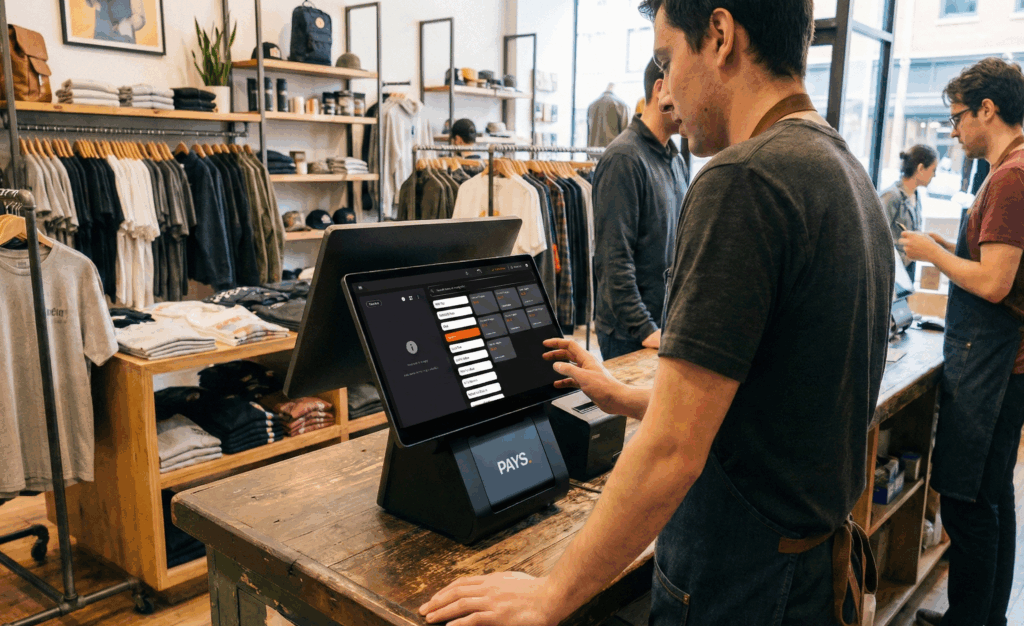
Have you ever wondered how much money your business quietly loses because of the way you think about your POS system? Most owners assume a POS is just a billing tool, something that prints receipts, splits bills, and accepts payments. But that single belief is one of the biggest reasons businesses struggle with slow service, operational mistakes, and missed revenue opportunities.
Today’s POS systems are no longer “cash registers.” They’re the nerve center of your entire operation, tracking data, speeding up workflows, improving customer experience, and giving you real-time insights you can actually act on. Yet so many business owners continue to treat their POS as a basic utility instead of a powerful growth engine.
The result? Lost time, lost customers, and lost profits, all hidden behind an outdated mindset. Let’s uncover what most business owners get wrong about point of sale systems, and why it matters more than ever.
Why Business Owners Underestimate the Power of Data
Most business owners still associate a POS with transactions, not transformation. They see it as a billing tool, something that records sales but doesn’t shape the business. That mindset blinds them to the most valuable part of a modern POS: data.
POS as a Data Engine, Not a Cash Register
A smart POS captures everything happening inside your business: what sells, when it sells, who buys it, which items get wasted, and which shifts are the most productive. Instead of guessing, you get clarity. Instead of reacting, you can predict. When owners don’t understand this, they miss out on decisions that could boost profits instantly.
How Reports Help Forecast Demand, Reduce Overstock, and Improve Staffing
Daily, weekly, and monthly reports give you patterns most people never notice. You can see peak hours, slow days, top-performing menu items, items that rarely sell, and the exact inventory you’re wasting. This helps you order smarter, eliminate stockouts, reduce over-purchasing, and schedule staff based on real demand. The result? Lower expenses, higher margins, smoother operations.
Loyalty Insights
Your POS also tracks customer behavior, who’s returning, what they reorder, and how often they visit. This unlocks powerful loyalty strategies: personalized offers, targeted marketing, and high-value customer retention. When owners overlook this, they spend more on acquiring new customers instead of increasing revenue from existing ones.
The Biggest Misconception: “A POS Is Just for Billing”
For years, business owners have treated the POS like the final step of a transaction scan, print, pay, done. That mindset comes from older systems that did nothing more than record sales. But today, that belief is one of the biggest roadblocks to growth.
Why This Misconception Still Exists
Legacy POS systems were designed for one job: billing. They didn’t track inventory, didn’t generate insights, and certainly didn’t integrate with online orders, loyalty programs, or staff management. Owners who grew up using these older systems still carry that outdated expectation even when switching to modern solutions.
What a Modern POS Actually Does
Today’s point of sale systems power the full operation, not just the payment counter. A modern POS:
- Tracks real-time inventory
- Syncs with online orders and QR menus
- Manages dine-in, takeaway, and delivery flows
- Automates daily reporting
- Captures customer data and loyalty insights
- Reduces manual effort and errors
- Helps optimize staff performance
- Simplifies payouts and accounting
This is no longer a “billing machine.” It’s an operational engine.
A Quick Real-World Example
Two cafés may sell the same number of coffees.
But the one using a smart POS knows:
- Which hours sell the most
- Which items drive repeat customers
- Which ingredients are being wasted
- Which staff member handles peak-time orders fastest
One café guesses. The other grows. The only difference? Their POS.
The Hidden Costs of Using Outdated Point of Sale Systems
Many business owners think keeping an old POS saves money but it’s the opposite. Outdated systems drain revenue quietly, slowly, and repeatedly. These hidden losses never show up on a single bill, but they pile up month after month.
Slow Checkout
A few seconds lost per order may feel small, but across peak hours, it adds up fast. Slow billing leads to longer queues, walkouts, frustrated customers, and reduced table turnover. You’re not just losing speed, you’re losing sales.
Manual Errors Increase Waste and Refunds
Old systems rely heavily on manual entry. Wrong items added, incorrect modifiers, mismatched totals, small errors that lead to big losses. Every mistake requires a comp, refund, or free replacement. Over time, this directly eats into margins.
Lack of Data Leads to Poor Decision-Making
Without real-time insights, owners rely on gut feeling.
That means:
- Overordering stock
- Underordering essentials
- Staffing on guesswork
- No clarity on top- or low-performing items
Guessing creates waste. Data creates efficiency.
No Automation Means More Staff Workload
Outdated POS systems leave staff doing tasks manually splitting bills, adjusting orders, calculating discounts, updating menus, writing stock counts, managing settlements, and closing day reports.
More manual work means more errors, more fatigue, and less time serving customers.
Also Read: How PAYS POS Enhances Guest Experience at Every Touchpoint
What Business Owners SHOULD Focus On Instead
Most owners spend too much time comparing prices and too little time evaluating what actually drives growth. A modern POS isn’t just a tool, it’s a long-term business partner. These are the factors that matter far more than the sticker price.
Data That Drives Smart Decisions
Your POS should give you clarity, not confusion. Real-time reports, item-wise performance, wastage trends, staff productivity, peak hours, and customer patterns are the insights that directly improve profits. The right POS turns raw numbers into revenue.
Speed That Improves Customer Experience
A fast checkout is no longer a luxury; it’s the difference between retaining customers and losing them. Whether it’s dine-in, takeaway, delivery, or peak-time rush, your POS must handle orders instantly and accurately. Speed creates satisfaction and satisfaction creates loyalty.
Support That Never Leaves You Stuck
Even the best systems face occasional hiccups. What matters is how quickly you get help. A reliable POS provider offers real-time support, fast troubleshooting, and proactive service so your operations never pause. Good support saves more money than a cheap system ever could.
Integrations That Keep Everything Connected
Online ordering, payment gateways, QR menus, kitchen displays, accounting software, loyalty engines your POS must tie them all together. Integrations eliminate manual work, reduce errors, and help you scale without adding complexity.
Cost Savings Beyond Just Pricing
Don’t judge a POS by the monthly fee alone. Look for savings in:
- 0% processing fees
- Reduced manual errors
- Faster table turns
- Lower staff workload
- Less wastage through accurate inventory
A good POS pays you back every single day.
Scalability for Future Growth
Your POS should grow with you whether you add more items, hire more staff, expand to new locations, or introduce new service models. A scalable system ensures your operations stay smooth no matter how fast the business expands.
Also Read: How Restaurants Can Win Big on YouTube
How PAYS POS Solves These Misconceptions
Most POS systems claim to be “modern,” but very few truly fix the problems business owners struggle with every day. PAYS POS is built around everything owners get wrong and everything they actually need to run a faster, smarter, more profitable business.
0% Processing Fees
While other providers quietly cut into your profits with every transaction, PAYS POS eliminates processing fees entirely. Every swipe, tap, or scan goes straight to your bottom line.
AI-Powered Accuracy That Ends Order Mistakes
Wrong items, missing modifiers, incorrect totals, these errors disappear with PAYS. The system intelligently maps item flows, reduces manual entry, and ensures every order is accurate from counter to kitchen.
Fast, Reliable Payouts for Better Cash Flow
No more waiting days to receive your money. PAYS POS ensures next-day payouts, helping businesses manage expenses, supplier payments, and operations without cash-flow stress.
Multi-Device Flexibility for Any Business Type
Whether you run a café, bar, restaurant, retail shop, or multi-outlet chain, PAYS works across:
- Mobile devices
- Tablets
- Desktop
- KDS screens
- Self-ordering kiosks
- QR ordering
Your POS adapts to your workflow not the other way around.
Built-In Automation for Smooth Operations
PAYS eliminates repetitive tasks:
- Automated reports
- One-tap menu changes
- Smart inventory tracking
- Automated discounts
- Integrated loyalty
- Digital receipts
Less manual work, more productivity.
Real-Time Support When You Need It Most
Peak hour issues? Busy weekend nights? PAYS offers instant support, ensuring operations never stop because a screen froze or an update failed. Reliability becomes part of your daily workflow.
A POS That Actually Helps You Grow
PAYS doesn’t just help you run the business, you can grow it with:
- Better customer insights
- Higher repeat sales
- Faster service
- Lower costs
- Zero errors
It’s not a billing machine; it’s a complete growth engine for modern businesses.
Most business owners don’t struggle because of competition, they struggle because they underestimate the impact of the tools running their daily operations. A POS isn’t just where you collect payments; it’s where speed, accuracy, data, customer experience, and profitability are built.
When you stop treating your POS like a basic necessity and start seeing it as your operational engine, everything changes. Faster service, smarter decisions, lower costs, happier customers, modern POS systems create growth in places most owners never think to look.
And the businesses winning today aren’t the ones working harder.
They’re the ones working smarter, with systems built for the future.
See why top cafés, bars, and restaurants rely on PAYS. Book a free demo with PAYS POS and see the difference yourself.
FAQs
Because older POS systems were limited to billing functions, many owners still assume POS means payment machine. Modern POS systems now manage operations, data, inventory, and customer experience far beyond just transactions.
Outdated POS systems slow down billing, increase errors, create long queues, lack real-time reports, and force staff to do manual tasks. All of this leads to lower sales and higher operational costs.
Speed, automation, real-time inventory, analytics, cloud sync, multi-device support, integrations, reliable support, and cost-saving features like 0% processing fees.
Yes. Faster service, fewer errors, better inventory accuracy, improved table turnover, and actionable customer insights all directly boost revenue and profitability.
If your system is slow, offline often, unable to integrate with new tools, lacks data insights, causes billing mistakes, or requires too much manual work, it's time for a modern upgrade.