How SMBs Can Use Data Dashboards to Make Smarter Decisions
Did you know that 75% of small businesses say they struggle to make decisions due to lack of real-time data? Relying on scattered reports or gut feelings can leave you reacting too late to trends, missed opportunities, or operational inefficiencies. Data dashboards change that by bringing all your important business information into one clear, visual display.
With the right dashboard, you can monitor sales, track inventory, analyze customer behavior, and measure staff performance all in real time. This means you can make smarter, faster decisions, optimize operations, and stay ahead of your competition without the guesswork. Let’s take a closer look at how SMBs can use data dashboards to make smarter decisions.
What Is a Data Dashboard and Why Does It Matter for SMBs
A data dashboard is a visual tool that consolidates key business metrics into one easy-to-read interface. Unlike traditional reports, which can be scattered, delayed, or difficult to interpret, dashboards provide real-time insights that help you see the full picture of your business at a glance.
For SMBs, this matters because decisions often need to be made quickly, with limited resources. Dashboards give you the ability to:
- Monitor performance in real time without digging through multiple reports
- Identify trends and patterns that inform smarter decisions
- React quickly to opportunities or problems before they escalate
- Track KPIs across sales, inventory, and staff performance in one place
By using a data dashboard, you can turn raw data into actionable insights, helping you make informed decisions that drive growth and efficiency.
Key Business Metrics SMBs Should Track on a Dashboard
To make smarter decisions, you need to focus on the right data. Not all metrics are equally valuable, and tracking too much information can be overwhelming. A well-designed dashboard highlights the metrics that matter most to your business, giving you a clear picture of performance and opportunities.
Here are key metrics SMBs should track:
- Sales Performance and Revenue Trends – Monitor daily, weekly, and monthly sales to spot growth or decline patterns.
- Top-Selling Products or Services – Identify what’s driving revenue and where to focus marketing or inventory efforts.
- Customer Traffic and Peak Hours – Understand when your business is busiest to optimize staffing and promotions.
- Inventory Levels and Turnover – Prevent overstocking, reduce waste, and improve cash flow.
- Payment Methods and Transaction Insights – Track how customers pay to streamline checkout and improve efficiency.
- Staff Performance and Productivity – Evaluate team efficiency and allocate resources effectively.
With these key metrics, you can make data-driven decisions that improve efficiency, boost profits, and help your business grow sustainably.
How Data Dashboards Improve Daily Decision-Making
Data dashboards turn complex information into clear, actionable insights you can use every day. Instead of waiting for end-of-day or end-of-month reports, you can see what’s happening in your business in real time and respond immediately.
With dashboards, you can:
- Identify issues early before they turn into costly problems
- Adjust pricing, promotions, or staffing based on live sales data
- Make faster inventory decisions to avoid shortages or excess stock
- Reduce manual reporting time, freeing you up to focus on running your business
- Make confident decisions backed by accurate, up-to-date data
By using data dashboards as part of your daily workflow, you move from reactive decision-making to proactive business management helping your SMB operate more efficiently and stay ahead of change.
Also Read: Top Tips for Finding the Right POS System for Your Retail Business
Using Data Dashboards to Spot Trends and Growth Opportunities
Beyond day-to-day decisions, data dashboards help you take a more strategic view of your business. By analyzing historical and real-time data together, you can uncover patterns that reveal where your business is growing and where it needs attention.
Data dashboards help you:
- Identify seasonal trends that impact sales and customer demand
- Spot underperforming products or services before they affect revenue
- Discover high-growth opportunities by analyzing customer preferences and buying behavior
- Forecast demand more accurately using past performance data
- Plan promotions and expansion with greater confidence
When you use dashboards to track trends over time, you gain the clarity needed to make smarter long-term decisions and position your business for sustainable growth.
Also Read: What Most Business Owners Get Wrong About Point of Sale Systems
Common Mistakes SMBs Make When Using Business Data
Even with access to data dashboards, many SMBs fail to get the full value from their data. The problem isn’t the lack of information, it’s how that information is used. Avoiding common mistakes can help you turn data into meaningful action.
Some of the most common data mistakes include:
- Tracking too many metrics instead of focusing on what truly impacts your business
- Ignoring real-time insights and relying only on historical reports
- Failing to act on data, leaving valuable insights unused
- Using disconnected systems that create data silos and inaccuracies
- Lacking context when interpreting numbers, leading to poor decisions
With the right metrics in mind and using integrated, real-time dashboards, SMBs can avoid these pitfalls and make data-driven decisions with confidence.
Also Read: Why Modern Restaurants Can’t Survive Without a Smart POS System
How PAYS POS Helps SMBs Turn Data Into Smarter Decisions
Having data is one thing; being able to understand and act on it is what truly drives better decisions. PAYS POS is designed to simplify data analysis for SMBs by turning complex business information into clear, actionable insights.
Here’s how PAYS POS helps you use data dashboards more effectively:
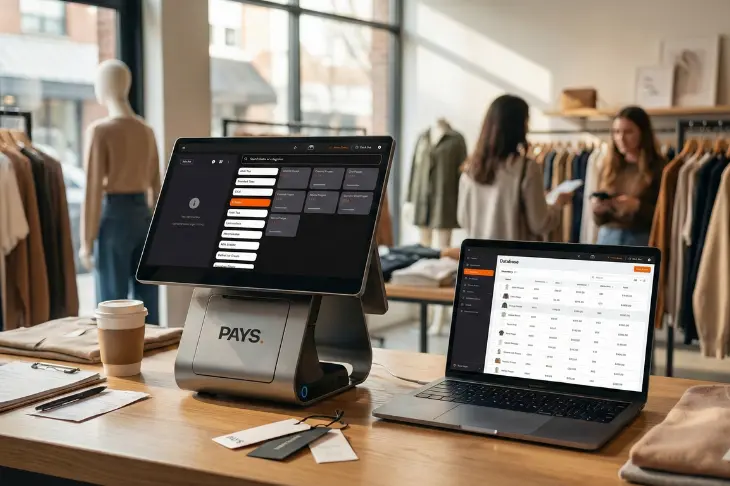
- Real-time dashboards that show sales, inventory, and performance data at a glance
- Centralized business data that eliminates silos and manual reporting
- Clear visual insights that make trends and issues easy to spot
- Inventory and sales tracking that helps reduce waste and improve cash flow
- Actionable reporting that supports faster, more confident decision-making
With PAYS POS, data dashboards become a practical daily tool not a complicated reporting system helping you make smarter decisions, optimize operations, and grow your business with confidence.
Conclusion
Data dashboards give SMBs the clarity they need to make better, faster, and more confident decisions. By bringing key metrics into one clear view, dashboards eliminate guesswork and help you understand what’s really happening across your business.
When combined with the right POS technology, data becomes a powerful tool helping you improve efficiency, spot opportunities early, and drive sustainable growth.
Want better visibility into your business and greater control over your decisions? Discover how PAYS POS dashboards can help you track what matters most, act faster on insights, and build a smarter, more resilient business.
FAQs
The PAYS data dashboard gives SMBs a real-time view of sales, inventory, payments, and operations in one place. It helps business owners quickly understand performance, identify trends, and make smarter decisions without relying on manual reports or spreadsheets.
With PAYS, SMBs can track key metrics such as daily and hourly sales, top-selling items, inventory levels, payment performance, and operational efficiency. These insights help businesses focus on what drives revenue and reduces losses.
PAYS dashboards update in real time, allowing SMBs to respond instantly to changes in demand, stock levels, or customer behavior. Instead of guessing or waiting for reports, business owners can act on live insights to optimize operations and boost profitability.
Yes. PAYS is designed for SMBs, with intuitive dashboards that are easy to understand and use. Business owners and staff can access insights without technical expertise, making data-driven decision-making simple and practical.
PAYS dashboards help SMBs monitor daily performance at a glance tracking peak sales hours, managing inventory proactively, and ensuring smooth checkout operations. This visibility helps reduce bottlenecks and improve overall efficiency.