How POS Systems Improve Inventory Visibility and Reduce Waste in Restaurants
Restaurants lose about 4% to 10% of their food inventory to waste and spoilage each year. If you take a […]
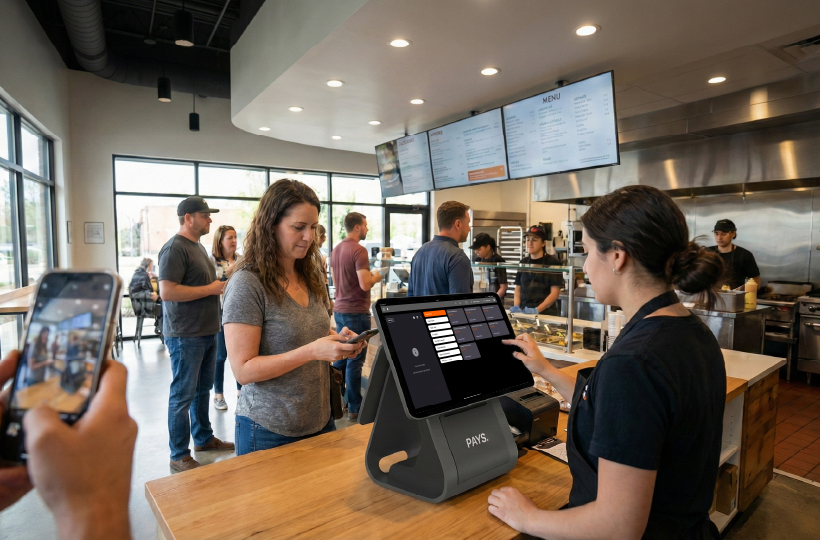
Restaurants lose about 4% to 10% of their food inventory to waste and spoilage each year. If you take a look at Industry reports, it shows that this food waste can cost thousands of dollars annually, eating into already tight profit margins.
Now ask yourself: how much of your inventory is actually visible to you in real time?
If you still use manual stock counts, end-of-day adjustments, or spreadsheets that only show what should be in your kitchen instead of what’s actually there, you’re missing important details. In the restaurant business, these blind spots can be costly.
When inventory isn’t tracked accurately:
- You over-order and deal with spoilage.
- You under-order and disappoint customers.
- You lose money to portion inconsistencies and shrinkage.
- You struggle to identify which menu items are draining your margins.
Inventory isn’t just a back-of-house task. It’s directly connected to your profits. The more you can see, the more control you have over food costs, waste, and cash flow.
A modern POS system can help by turning every sale into useful inventory data. This gives you real-time clarity instead of relying on guesswork.
Inventory Waste Is a Global Business Issue
Inventory waste isn’t unique to restaurants; it’s happening across industries and costing businesses hundreds of billions every year. A global industry analysis estimates that nearly 8% of all stock is discarded annually due to spoilage, damage, or overproduction, amounting to roughly $163 billion in wasted inventory value across sectors such as food, apparel, automotive, and more.
Although that data covers multiple industries, the takeaway is clear: poor inventory visibility leads to massive financial loss, whether it’s on retail shelves, in warehouse stockrooms, or in your restaurant’s walk-in cooler. And in the food sector specifically, spoilage and expired goods account for a large share of that wasted value, meaning restaurants with limited real-time insight are especially vulnerable.
For your restaurant, this means:
- Overproduction leads to excess stock that goes unused.
- Spoilage due to poor tracking increases discard rates.
- Inaccurate forecasting causes mismatches between usage and ordering.
- Manual counting misses fast-moving or perishable items.
That $163 billion number isn’t just a headline. It highlights a real business cost from poor inventory management that restaurants can’t afford to ignore.
When you can’t see what you have, you end up wasting more than you think. That wasted value directly reduces your profits.
Why Manual Inventory Tracking Creates Expensive Blind Spots
You might believe that weekly stock counts and spreadsheets are enough to manage inventory. But manual processes can’t keep up with the fast pace of a busy restaurant.
Every time an order is placed, an ingredient is modified, or a portion size varies slightly, your actual stock levels change. If those changes aren’t recorded instantly, the numbers on your sheet stop matching what’s on your shelves.
Here’s where manual tracking starts costing you:
- Delayed updates mean you discover shortages only after items run out.
- Human error in counting or entry leads to inaccurate stock levels.
- No automatic deduction from sales disconnects front-of-house transactions from back-of-house inventory.
- Lack of recipe-level tracking makes it hard to understand true ingredient consumption.
- No predictive insights force you to order based on assumptions instead of data.
As a result, you might order too much to be safe, which leads to more spoilage. Or you order too little and lose sales when important items run out.
Inventory changes with every transaction. Unless your system updates in real time, you’re always working with outdated numbers.
That’s exactly why modern POS systems are becoming essential for restaurants that want clarity, control, and reduced waste.
How PAYS POS Helps You Gain Full Inventory Control and Reduce Waste
Having a POS system is helpful, but having one that gives you useful inventory insights is even better. That’s where PAYS POS helps you move from basic tracking to real control.
With PAYS POS, inventory isn’t managed at the end of the day. It’s updated in real time, with every single transaction.
Real-Time Ingredient-Level Deduction
Every menu item in PAYS POS can be mapped to its exact recipe. When a dish is sold, the system automatically deducts the precise quantity of each ingredient used. This eliminates manual updates and keeps your stock levels accurate throughout the day.
Smart Low-Stock Alerts
Instead of discovering shortages during peak hours, PAYS POS sends alerts when items reach predefined reorder levels. You stay ahead of stockouts without over-ordering.
Food Cost & Margin Visibility
PAYS POS helps you track food cost percentages by linking inventory consumption directly with sales data. You can instantly identify:
- High-cost items
- Low-margin dishes
- Ingredients driving up expenses
- Menu items contributing most to profits
This allows you to optimize purchasing and strategically adjust pricing.
Waste & Variance Reporting
By comparing theoretical usage (based on sales) with actual stock counts, PAYS POS highlights discrepancies. This helps you detect:
- Portion inconsistencies
- Over-prepping
- Spoilage trends
- Potential shrinkage
Multi-Outlet Inventory Management
If you manage more than one location, PAYS POS gives you a clear view of inventory across all your outlets. You can monitor stock, compare performance, and manage transfers from one dashboard.
With real-time visibility and smart automation, you can predict inventory needs instead of just reacting. This helps you reduce waste, make better purchasing decisions, protect your margins, and improve cash flow.
With PAYS POS, inventory management is no longer a guessing game. It becomes a real advantage for your business.
Also Read: How to Manage Restaurant Labor Compliance with PAYS POS
Inventory Visibility Is Directly Linked to Profitability
Inventory control isn’t just about avoiding waste; it’s about protecting your margins every single day. When you can clearly see what’s moving, what’s sitting, and what’s expiring, you make smarter decisions that directly impact your bottom line.
Think about it:
- When you reduce over-ordering, you lower carrying costs.
- When you prevent spoilage, you protect the food cost percentage.
- When you avoid stockouts, you capture every possible sale.
- When you identify slow-moving items, you strategically adjust menus.
Real-time inventory data helps you align your purchasing with actual sales trends rather than guesswork. You avoid tying up cash in extra stock and can invest it where it brings returns.
More importantly, visibility gives you confidence. You’re not reacting to shortages or discovering waste after it’s too late. You’re proactively managing stock based on accurate, up-to-date information.
In a business with tight profit margins, even small improvements in inventory efficiency can yield significant financial gains over time. When your POS system gives you clear information, inventory becomes a tool for growth instead of a daily source of stress.
Also Read: How Mobile POS Systems Are Streamlining Operations for Pop-Up Restaurants
Future-Proof Your Restaurant with Smarter Inventory Automation
The restaurant industry isn’t getting simpler. Supplier prices fluctuate. Demand shifts seasonally. Consumer preferences evolve quickly. If your inventory system can’t adapt in real time, your margins will feel the pressure.
Restaurants that are ready for the future are moving toward automation. This isn’t just about saving time, but also about building resilience.
With a smart POS-driven inventory system, you can:
- Forecast demand based on historical sales trends
- Adjust purchasing before peak seasons hit
- Detect unusual consumption patterns early.
- Standardize recipes across locations.
- Scale operations without losing stock control
As your restaurant grows with more outlets, bigger menus, or more orders, manual inventory methods become riskier and harder to manage. Automation helps make sure growth doesn’t lead to confusion or mistakes.
When your inventory updates automatically, alerts trigger proactively, and reports provide actionable insights, you operate with clarity instead of uncertainty.
The future of restaurant management isn’t about working harder in the kitchen. It’s about working smarter by using data. When your POS system provides clear inventory information, you set your business up for long-term efficiency, reduced waste, and better profits.
Also Read: The Power of AI-Powered POS in Managing Food Cost for Franchise Restaurants
Conclusion
Inventory waste doesn’t happen all at once. It builds up slowly, with small blind spots like a bit of over-ordering, a few expired ingredients, or unnoticed portion inconsistencies. Over time, these small issues can add up to thousands of dollars in lost profit.
The difference between struggling restaurants and those that grow isn’t just great food. It’s having clear visibility into operations.
When you can see your inventory in real time, track ingredient-level consumption, monitor food cost percentages, and receive smart alerts before problems escalate, you move from reactive management to proactive control.
With PAYS POS, every sale gives you useful data. Every ingredient is tracked. Every report gives you clear information. You reduce waste, avoid running out of stock, protect your margins, and improve cash flow, all from one system.
Book a free demo of PAYS POS today and see how smarter inventory management can reduce waste and maximize your restaurant’s profitability.
FAQs
PAYS POS automatically deducts ingredient quantities with every sale, keeping your inventory levels up to date in real time.
Yes, by tracking ingredient usage, monitoring low-stock alerts, and identifying slow-moving items, PAYS POS helps minimize spoilage and over-ordering.
Absolutely. Menu items can be mapped to specific ingredient quantities, allowing accurate consumption tracking and food cost analysis.
Yes, PAYS POS provides centralized inventory visibility, enabling you to monitor and compare stock levels across outlets.
By linking inventory consumption directly with sales data, PAYS POS provides clear insights into food cost percentages and menu profitability.