How Mobile POS Systems Are Streamlining Operations for Pop-Up Restaurants
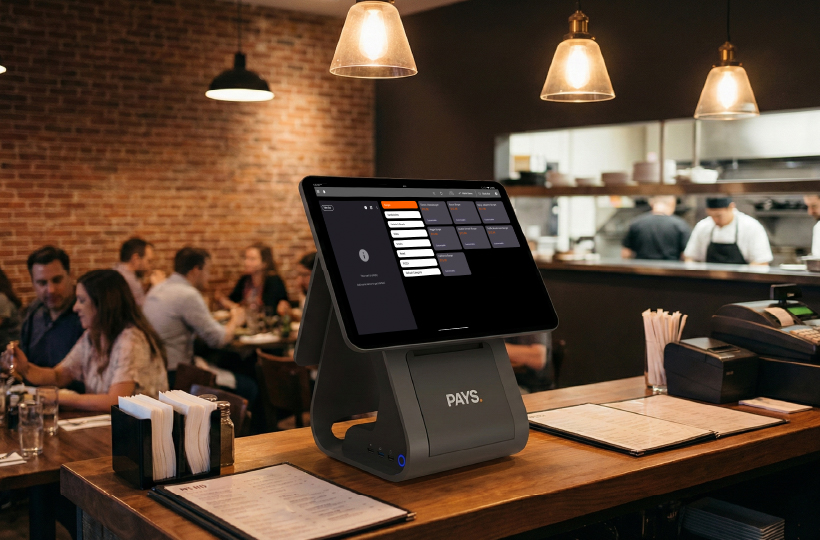
Do you worry about losing sales because your pop-up restaurant can’t handle quick, mobile payments?
In many places, mobile payments now account for more than half of digital transactions. Customers expect fast, contactless, and easy checkouts wherever they are. If your pop-up still uses manual billing, cash only, or separate systems, you could be slowing things down when speed is most important.
Running a pop-up restaurant is exciting, but it can be unpredictable. Crowds can appear quickly, space is limited, and everything is temporary. Unlike regular restaurants, you don’t have fixed counters, wired terminals, or a full back office.
You need to stay flexible and still keep control of your operations.
This is where mobile POS systems make a big difference. Instead of being stuck with bulky hardware or fixed locations, you can manage orders, take payments, track inventory, and monitor sales all from a tablet or smartphone. Whether you’re at a food festival, corporate event, weekend market, or seasonal pop-up, mobility gives you an edge.
With tools like PAYS POS, your pop-up can run as smoothly and professionally as a full-scale restaurant, but without the extra costs.
What Operational Challenges Does a Pop-Up Restaurant Owner Face?
When you start a pop-up, you enter a fast-paced, high-pressure setting. Unlike traditional restaurants, you don’t have permanent infrastructure, steady foot traffic, or set routines. Each event or market brings new challenges.
You may face:
- Limited physical space for counters, terminals, and kitchen coordination
- Unpredictable rush periods that strain your ordering process
- Manual order-taking that slows down service
- Cash handling risks and reconciliation errors
- No real-time inventory visibility, leading to unexpected stockouts
- Limited access to sales data for performance tracking
If you use handwritten tickets or separate payment devices, small delays can quickly turn into long lines and lost sales. During busy times, even a 20 to 30 second delay per order can mean serving fewer customers each day.
Traditional POS systems are often too large, expensive, and complex for temporary setups. They’re designed for permanent locations, not for businesses that need to set up quickly, work efficiently, and pack up fast.
In a pop-up, flexibility isn’t just helpful, it’s essential. Your POS system should be just as flexible, while still being fast, accurate, and able to provide clear reports.
What Makes a Mobile POS Different from Traditional Systems
Traditional POS systems are built for fixed locations, wired terminals, and permanent counters. But your pop-up moves around. You need something flexible, portable, and easy to set up.
That’s why a mobile POS can really help.
A mobile POS runs on tablets or smartphones and uses cloud-based software, so you’re not stuck at a counter. You can take orders at the table, in line, or even outside your stall during busy times.
Here’s what makes it different:
- Tablet- or smartphone-based setup that’s lightweight and easy to carry
- Cloud-based access so your sales data is stored securely and accessible from anywhere
- Wireless connectivity for fast setup without complex wiring
- Compact hardware that fits into small pop-up spaces
- Remote dashboard monitoring to track performance in real time
Your POS should fit your space, not the other way around.
With PAYS POS, you can set up quickly, take payments right away, and track everything from anywhere. Whether you’re open for a weekend or a month, your system stays as flexible as your business.
Also Read: Point of Sale Software That Increases Speed, Accuracy, and Daily Revenue
Faster Checkouts and Improved Customer Experience
Long lines at your pop-up don’t just waste time. They can also drive customers away. If people see a slow line, many will leave, and that’s money you lose, especially at short events.
A mobile POS helps you serve customers faster and make more sales in the time you have.
Here’s how you improve checkout efficiency:
- Contactless payments, including cards, NFC, UPI, and mobile wallets
- QR-based ordering and payments to reduce counter congestion
- Line-busting capabilities, where staff take orders directly in the queue
- Tableside ordering for pop-up dining setups
- Digital receipts for faster transaction completion
Your team can move around and take orders wherever the line is longest, so customers don’t have to wait at a fixed counter.
With PAYS POS, your mobile setup can handle lots of orders, even when it’s busy. This means shorter lines, more sales, and happier customers.
Every minute counts in a pop-up. Faster checkouts help your service and increase your daily sales.
Real-Time Inventory and Menu Management on the Go
If you run out of a key ingredient during service, it can be stressful and lead to lost sales. Pop-ups don’t have extra storage or quick supplier access, so seeing your inventory in real time is crucial.
A mobile POS lets you manage your inventory and update your menu right from the event site.
Here’s how it helps you stay agile:
- Instant item availability updates to prevent selling out-of-stock dishes
- Automatic menu syncing across devices
- Ingredient-level tracking to monitor usage during peak hours
- Quick menu edits for price changes or limited-time items
- Live stock alerts so you can adjust operations proactively
You can spot shortages quickly and fix them before they affect your service.
With PAYS POS, your inventory and menu stay organized and connected in the cloud. Even in a temporary spot, you have the same control as a full restaurant.
For pop-ups, being flexible means making quick decisions to keep sales up and work more efficiently.
Also Read: How a Restaurant Point of Sale System Streamlines Front- and Back-of-House Operations
How Are Mobile POS Systems Streamlining Operations for Pop-Up Restaurants?
At a pop-up restaurant, customers expect the same payment convenience as at established places. If you only accept cash or one payment method, you risk slowing down transactions or even losing sales.
A mobile POS lets you take payments wherever your customers are, so you’re not stuck at one checkout spot.
Here’s how you gain flexibility:
- Multiple payment options, including cards, UPI, NFC, and mobile wallets
- Tap-and-go transactions for faster checkout during busy events
- Split payments for group orders
- Secure cloud-based transaction logs for accurate reconciliation.
- Instant digital receipts to reduce manual paperwork
You don’t have to use different payment devices or sort out sales by hand at the end of the day; everything goes through one simple system.
With PAYS POS, you can take secure payments on your phone or tablet, see your sales as they happen, and finish your day knowing exactly where you stand.
For pop-ups, making things easy for customers leads to more sales. The easier it is to pay, the better your business runs.
Also Read: Sustainable Business Practices That Save Money and Attract Customers
Data Insights Even for Short-Term Operations
You might think data is only useful for permanent restaurants, but even a one-day pop-up can give you insights to help plan your next event.
Without a mobile POS, you’re left guessing about your business. Which items sold the most? What were your busiest hours? Which payment methods did people use? How much inventory did you really use?
A mobile POS gives you real-time insight into your performance, even during short-term operations.
Here’s what you can track:
- Hourly sales reports to identify rush periods
- Best-selling and low-performing items
- Average order value (AOV)
- Payment method breakdown
- Inventory consumption patterns
- Event-level revenue comparisons
Instead of guessing, you finish each pop-up with real data to help you plan better next time, whether that means changing prices, updating your menu, or adjusting your staff.
With PAYS POS, your reports are stored in the cloud and always available. After your event, you can check your results, compare different pop-ups, and use the data to grow your business.
Even if your business is temporary, it doesn’t have to be disorganized. With the right tools, every pop-up can help your business grow.
Conclusion
Pop-up restaurants need to be flexible, but too much flexibility without structure can lead to lost sales, confusion, and slow growth. If you use manual steps or separate tools, you slow down service, make customers less happy, and miss out on useful data.
A mobile POS turns your temporary setup into a smooth, efficient operation. You get faster checkouts, real-time inventory tracking, easy payments, and performance reports, all from a device you can take anywhere.
With PAYS POS, your pop-up works as efficiently and professionally as a full restaurant, but without all the extra setup.
Mobility isn’t just convenient. It helps you make the most of every sales opportunity, wherever you are.
If you’re planning your next event or festival, set up your operations to be quick and ready to grow.
Book a free demo with PAYS POS today to see how you can make orders easier, take payments anywhere, and turn every pop-up into a profitable business.
Keep moving, stay efficient, and grow your business with no limits.
FAQs
Yes. PAYS POS is designed to run on tablets and smartphones, allowing you to take orders, accept payments, and manage sales without bulky hardware. It’s ideal for temporary setups like food festivals, markets, and event activations.
PAYS POS is cloud-based and works with wireless connectivity. It is optimized for flexible environments, ensuring smooth performance even in temporary event locations.
PAYS POS supports multiple payment options, including cards, contactless payments, UPI, NFC, and mobile wallets. This ensures you can accept fast, secure payments wherever your pop-up operates.
Absolutely. PAYS POS provides centralized reporting, allowing you to compare revenue, peak hours, and best-selling items across different events or locations, all from a single dashboard.
Yes. PAYS POS is built to scale with your business. Whether you operate short-term pop-ups or expand into full-service or multi-location restaurants, the system supports growth without increasing operational complexity.