From Order to Payment: A Step-by-Step Technical Breakdown of PAYS POS
Ever wondered what actually happens when a customer orders at your restaurant? I got curious after watching Carlos handle a crazy lunch rush at his taco place without breaking a sweat. Orders flying in everywhere – dine-in, delivery apps, phone calls – and his PAYS POS system was handling everything like magic.
“How does this thing actually work?” I asked him.
What he showed me was incredible. The technology behind modern restaurant POS systems is way more sophisticated than most of us realize. And when you understand how it connects – especially with the #PAYSZero model – you see why restaurants using PAYS have such an advantage.
Let me walk you through exactly what happens from order to payment.
Order Entry: Where the Magic Begins
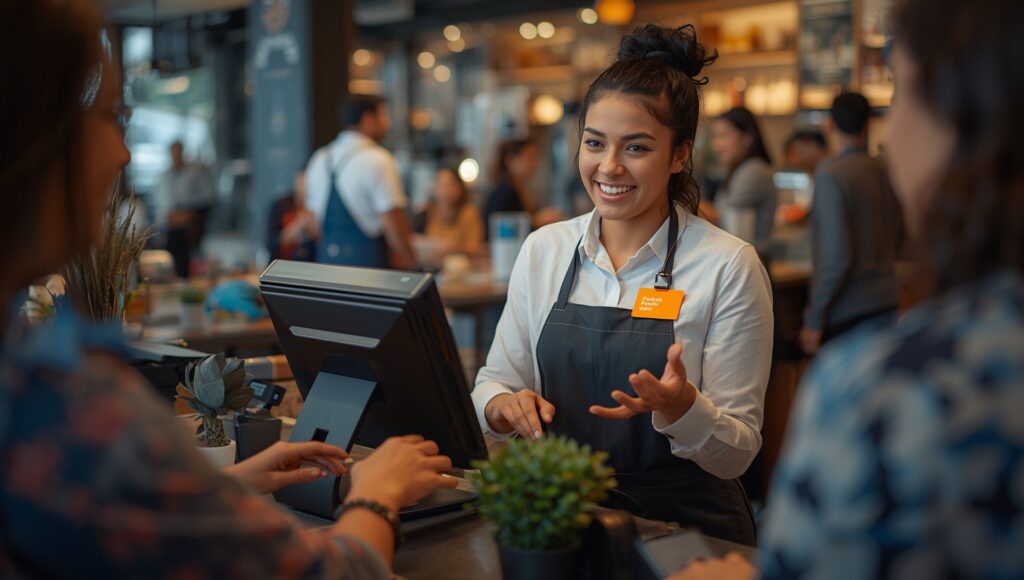
When Maria walks up to order three carnitas tacos, here’s what’s really happening behind the scenes:
The PAYS terminal instantly recognizes the order pattern, suggests complementary sides automatically, calculates prep time based on current kitchen load, and routes everything to the right cooking station – all in two seconds.
But here’s where restaurant POS integration gets interesting. That same order simultaneously updates inventory, adjusts forecasting, logs sales patterns, and prepares #PAYSZero cash discount pricing options.
Most older point of sale systems handle orders one at a time. PAYS processes everything in parallel, which is why restaurants handle way more volume without adding staff.
Kitchen Coordination: Mission Control for Food
Traditional restaurants have servers writing orders, taping them up, kitchen staff grabbing randomly. It works, but it’s incredibly inefficient.
PAYS changes this through advanced POS features. Carlos showed me his kitchen display – it’s like mission control. Orders appear organized by cooking time, not order time. If someone orders a quick quesadilla and slow carnitas, the carnitas starts first even though ordered second.
Here’s what blew me away: restaurant payment processing starts during cooking, not after. While kitchen prepares Maria’s tacos, the system sets up payment options and #PAYSZero pricing.
This parallel processing means customers spend less time waiting to pay, increasing table turnover.
Multi-Channel Management
Carlos gets orders everywhere – walk-ins, phone, DoorDash, Uber Eats, his website. Before PAYS, managing these channels was a nightmare of tablets and paper tickets.
Now everything flows through one system. Delivery orders appear on the same kitchen screen as walk-ins, prioritized by timing and cooking requirements.
The merchant payment solutions adapt automatically. Walk-ins see #PAYSZero dual pricing. Delivery customers have fees built into platform pricing. Phone orders get quoted based on payment method.
One system, multiple strategies, all automated.
The #PAYSZero Technical Magic
This is where PAYS separates from traditional POS system providers. When Maria pays for her tacos, the system calculates two prices: cash ($8.47) and card ($8.73).
If Maria pays cash, she gets the discount and Carlos keeps 100% revenue. If she pays card, the processing fee passes to her and Carlos still keeps 100% of his menu price.
This required rebuilding how payment processing systems work. Instead of restaurants absorbing costs, the system shifts them transparently to customers choosing expensive payment methods.
Real-Time Inventory Integration
Every order automatically updates inventory. When Maria orders three tacos, the system deducts tortillas, carnitas, salsa, even napkins from inventory counts.
This serves multiple purposes:
- Prevent Stockouts: Carlos gets low-ingredient alerts with reorder suggestions
- Cost Analysis: Every item shows real-time profitability
- Menu Optimization: System identifies high-margin items for promotion
- Waste Reduction: Tracks actual usage versus projections
Traditional systems require manual entry. PAYS connects everything automatically.
Payment Processing Deep Dive
When Maria chooses card payment, here’s the sequence:
- PAYS verifies card and checks fraud patterns
- Transaction details encrypted and sent to networks
- Customer’s bank authorizes transaction
- #PAYSZero automatically adds processing fee to Maria’s total
- Authorization returns, receipt prints
- Settlement happens within 24 hours
The genius is Step 4. Traditional processors charge restaurants monthly. PAYS passes exact costs to customers transparently, so restaurants never lose money on payment processing fees.
Different cards have different costs. Premium rewards cards cost more than basic debit. #PAYSZero calculates exact costs real-time and adjusts pricing accordingly.
Third-Party Integration
Modern restaurants use accounting software, payroll systems, inventory tools, marketing platforms. PAYS connects to virtually everything.
When Carlos closes his day, transaction data flows automatically to accounting, inventory syncs with suppliers, customer info updates marketing database.
This POS system integration eliminates manual data entry and reduces errors from managing disconnected systems.
Future of Restaurant Technology
The restaurant industry evolves rapidly. Customer expectations rise, costs climb, competition intensifies.
Restaurants using advanced restaurant POS technology like PAYS have significant competitive advantage. They operate more efficiently, serve faster, maintain higher margins.
#PAYSZero represents the future of merchant services – transparent pricing where customers pay for services they use instead of businesses absorbing hidden costs.
Ready to Experience It?
Understanding capabilities is one thing. Seeing them work in real restaurants is another.
PAYS offers comprehensive demos where you see exactly how the system works in your specific situation. Test the payment processing software, explore reporting, understand how #PAYSZero impacts your bottom line.
Technology is sophisticated, implementation is straightforward. Most restaurants process orders through PAYS within hours of installation.
Your restaurant deserves technology working as hard as you do. Ready to see what’s possible when everything works together seamlessly?