Post-Inflation Price Strategies in Fine Dining USA: How Smart Restaurants Win
Fine dining USA restaurants face big challenges today. Inflation changed everything for luxury restaurants. Food costs went up fast. Staff wages increased. Rent prices jumped high. Many fine dining places closed their doors forever.
But some restaurants found smart solutions. They use post-inflation restaurant strategies that actually work. These places make more money now than before inflation started. They grew bigger and stronger during tough times.
Chef David runs a successful restaurant in Miami. His ingredient costs tripled in two years. His insurance doubled. Staff salaries went up 50%. Most owners would panic. David did something different. He changed his entire business approach.
Today David owns three restaurants. His profits are higher than ever. His customers are happy. His staff earns good money. David cracked the code that many restaurant owners still don’t understand.
How Inflation Destroyed Old Restaurant Rules
Fine dining economics worked differently before 2022. Restaurant owners could predict their costs. They knew what ingredients would cost next month. Suppliers gave steady prices. Everything was more stable.
The inflationary restaurant industry crisis changed all that. A pound of salmon cost $12 in January. By December it cost $28. Prime beef prices went crazy. Lobster became too expensive for many menus.
The cost challenges fine dining restaurants face today are huge. Wine distributors stopped giving credit terms. They want cash before delivery. Insurance companies raised rates by 100% or more. Utilities became unpredictable expenses.
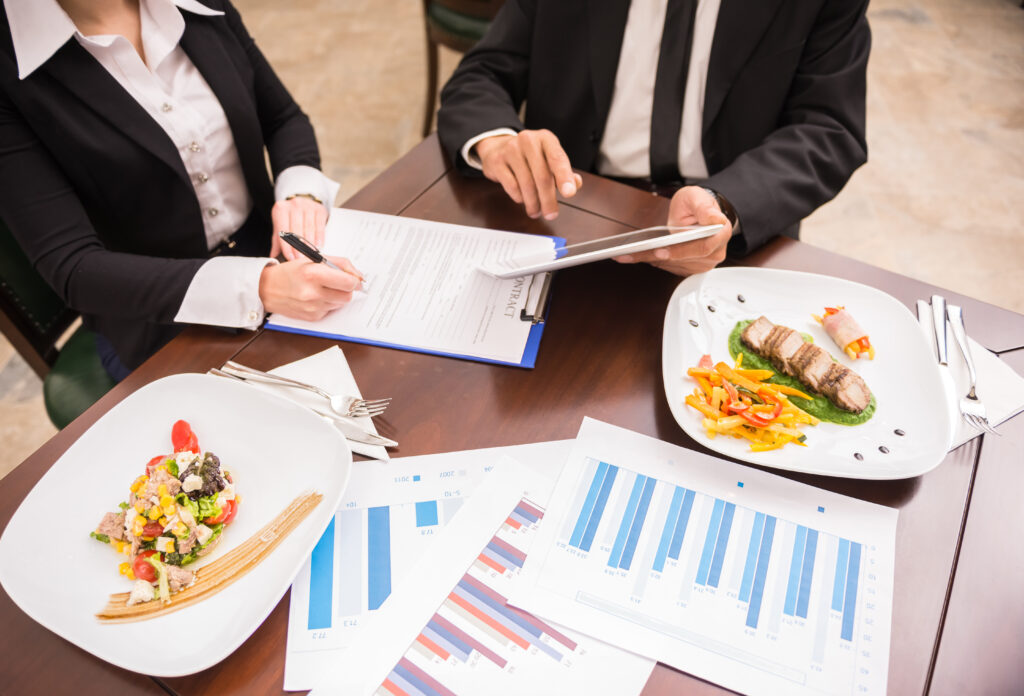
Traditional restaurant math stopped working. The old formula was 30% food costs, 35% labor costs, and 35% other expenses. This formula became impossible to follow. Smart restaurant owners had to find new ways to make money.
Many restaurants tried to wait out the inflation storm. They hoped prices would go back down. This was a big mistake. The successful restaurants completely changed their business model instead.
Smart Pricing Strategies That Work Right Now
The best fine dining pricing strategy methods are honest and clear. They don’t hide cost increases from customers. Instead they explain why prices change. This builds trust instead of creating anger.
Dynamic menu pricing USA works when restaurants educate their customers. David started showing his customers real ingredient costs. When customers see that wild salmon costs $25 per pound, they understand the menu price. This transparency increased his sales by 40%.
Revenue optimization fine dining happens through customer education, not tricks. People gladly pay higher prices when they understand the value they receive. Smart restaurants explain their ingredient sourcing. They talk about cooking techniques. They share their story.
Some restaurants threw out traditional menus completely. They offer experience packages at fixed prices. The chef selects ingredients based on quality and market prices. Customers pay the same amount but get different amazing dishes each visit.
Seasonal pricing works very well too. Restaurants charge different prices in different months. Summer prices might be higher because of tourist demand. Winter prices might be lower to attract local customers. This fine dining pricing strategy helps balance revenue throughout the year.
The inflationary restaurant industry crisis changed all that. A pound of salmon cost $12 in January. By December it cost $28. Prime beef prices went crazy. Lobster became too expensive for many menus.
The cost challenges fine dining restaurants face today are huge. Wine distributors stopped giving credit terms. They want cash before delivery. Insurance companies raised rates by 100% or more. Utilities became unpredictable expenses.
Traditional restaurant math stopped working. The old formula was 30% food costs, 35% labor costs, and 35% other expenses. This formula became impossible to follow. Smart restaurant owners had to find new ways to make money.
Many restaurants tried to wait out the inflation storm. They hoped prices would go back down. This was a big mistake. The successful restaurants completely changed their business model instead.
Finding Profitable Markets Outside Big Cities
Fine dining market growth in the USA happens in surprising locations now. The biggest opportunities are not in expensive downtown areas. They are in wealthy suburbs and smaller cities with rich residents.
Expansion strategies restaurants work better in places like Scottsdale, Greenwich, and Carmel. These areas have customers with lots of money. But the business costs are much lower than Manhattan or San Francisco. Rent costs 60% less in these markets.
Fine dining market penetration requires understanding local customer habits. Suburban diners prefer 7 PM reservations instead of 9 PM. They want convenient parking. They like friendly service over formal attitudes. They celebrate special occasions more often at restaurants.
Business district partnerships create steady income streams. Law firms hire restaurants for client dinners. Medical practices book executive lunches. Technology companies contract for employee events. This gives restaurants guaranteed money every month.
Corporate catering expanded during remote work trends. Companies pay premium prices for delivered fine dining experiences. This fine dining market growth USA opportunity didn’t exist before 2020. Smart restaurants captured this new revenue source.
New Restaurant Formats That Save Money
Fine dining trends USA show customers want great food with less formality. They still pay premium prices for quality. But they prefer relaxed environments over stuffy dining rooms.
Counter dining saves money while increasing profits. Customers sit at chef counters. They watch food preparation. This eliminates server costs but customers pay more for the interactive experience. Fast fine dining growth includes this format.
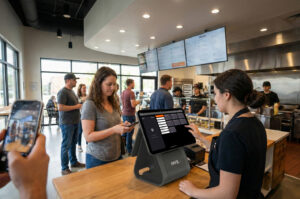
Quick-service fine dining removes traditional table service. Customers order at counters but get restaurant-quality food. This serves more people per hour. It reduces labor costs significantly. Many successful restaurants use this model now.
Membership programs create predictable revenue. Customers pay monthly fees for dining credits. They get priority reservations and exclusive menu access. This gives restaurants steady cash flow. It also builds customer loyalty that lasts for years.
Private dining experiences generate the highest profits. Customers pay 200-300% premiums for exclusive chef experiences. These might happen in private homes or special locations. The profit margins are much higher than regular restaurant service.
Technology Tools That Increase Profits
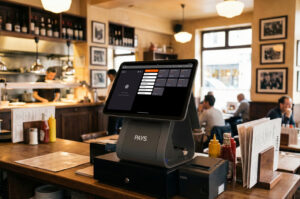
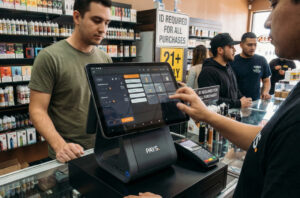
Profit strategies for fine dining use computer systems to reduce waste and increase efficiency. POS and AI in fine dining helps predict customer demand. This prevents buying too much food that goes bad.
Smart inventory systems track everything restaurants buy and use. They automatically reorder items before running out. They also prevent over-ordering expensive ingredients. Most restaurants save 25-35% on food costs with these systems.
Customer management software remembers what every guest likes to eat and drink. When regular customers make reservations, staff know their preferences automatically. This personal service increases customer spending and loyalty.
Online ordering systems capture customer data for marketing. Restaurants can send targeted offers to customers who haven’t visited recently. They can promote new menu items to customers who like similar dishes.
Sustainable restaurant growth programs track energy usage and food waste. These systems usually reduce operating costs by 20-30%. They also help restaurants market themselves as environmentally responsible businesses.
Point-of-sale (POS) systems provide real-time profit analysis. Restaurant owners can see which menu items make the most money. They can adjust prices immediately based on demand. This revenue optimization fine dining tool is essential today.
Future Success in Fine Dining Business
The future of fine dining USA will focus on personalized customer experiences. The fine dining growth forecast shows the market could double by 2030. This growth comes from innovation, not just more restaurant locations.
U.S. fine dining market size will expand through technology and customer personalization. Restaurants will create unique experiences for every customer. Every meal will feel specially designed for that person.
Virtual reality might enhance dining experiences. Customers could see where their ingredients came from. They might watch cooking techniques while they eat. These additions will justify higher prices and create memorable experiences.
Sustainability will become more important for customer decisions. Restaurants with local sourcing and zero waste will attract more customers. They will also save money on ingredients and disposal costs.
Your Action Plan for Restaurant Success
Post-inflation restaurant strategies require immediate action, not slow testing. Restaurant owners who make big changes now will succeed. Those who wait will struggle to compete.
Check your pricing strategy today. Are you being honest with customers about costs? Are you explaining your value clearly? Transparency builds trust and increases sales.
Look for new market opportunities within 30 minutes of your location. Find neighborhoods with high-income residents. These areas might support fine dining better than your current location.
Invest in technology that tracks costs and customer preferences. These tools pay for themselves quickly through reduced waste and increased sales.
Consider new restaurant formats that reduce costs while maintaining quality. Counter service, membership programs, and private dining all offer higher profit margins.
FAQs
Use dynamic pricing, transparent ingredient costs, seasonal menus, and fixed experience packages to maintain profits and build customer trust.
Focus on affluent suburbs and smaller cities, analyze local demographics, and partner with corporate clients to expand profitably.
POS systems, AI inventory management, customer management software, and online ordering optimize operations, reduce waste, and increase loyalty.