Consumer Spending: Patterns & Motivation in the U.S. Fine Dining Market (2025 Guide)
Why Some Rooms Stay Packed
Ever notice how two restaurants can look nearly identical—same kind of chef, same kind of vibe but one has a month-long waitlist while the other is begging for walk-ins? It’s not magic. It’s not just the food either. It’s whether the operator gets how guests actually spend money in fine dining.
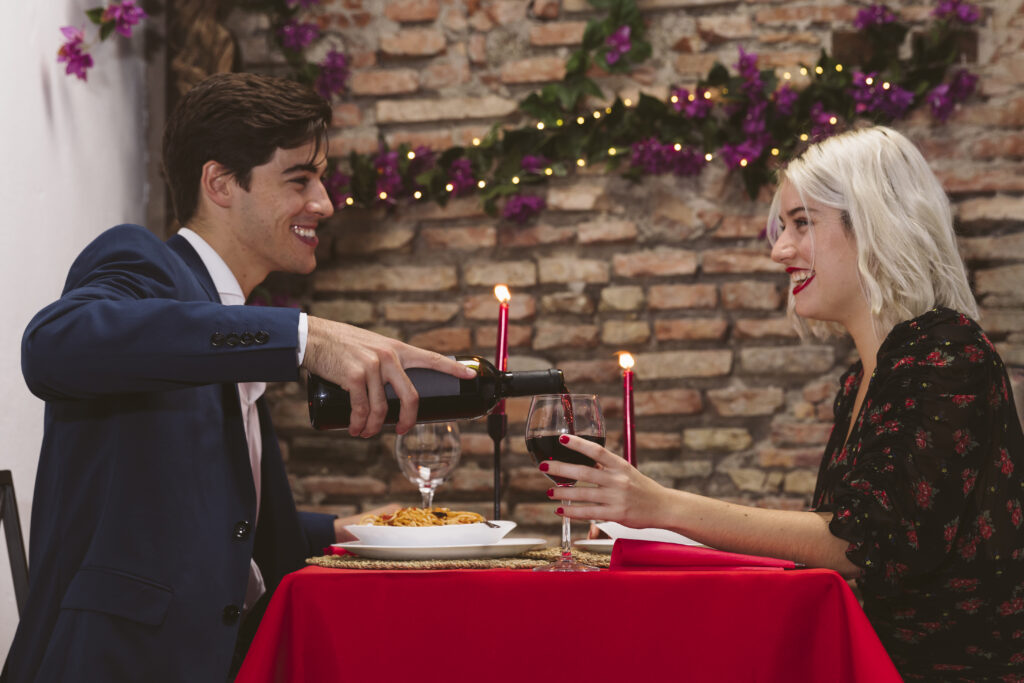
The Landscape (Quick Tour)
Fine dining in the U.S. isn’t one flavor anymore. You’ve got:
- Tasting-menu temples where the chef is basically running the show.
- Steak and seafood houses that live off business cards and corporate perks.
- Chef-driven “local legends” that pull in out-of-towners.
- Resort and casino dining where the experience is bundled into vacation spend.
- And, of course, those private clubs where exclusivity is half the bill.
And the guests? They range from high-net-worth regulars chasing rare wines to Gen Z couples saving up for one splashy date night. One table is about status, the next is about TikTok bragging rights.
Why Guests Open Their Wallets
Here’s the thing: nobody walks in saying, “let’s spend $500 tonight.” They’re pulled there.
- Occasions: Anniversaries, birthdays, even “closing that deal.” The moment itself justifies the spend.
- Scarcity: If your dining room is hard to get into, guests feel lucky just to be there. That psychology alone inflates the bill.
- Stories & theater: The chef’s origin, the sommelier’s pairing, the design of the plate it all adds weight to the price tag.
- Social signals: Awards, buzz on Instagram, a feature in the Times. People pay to say, “we ate there.”
Where the Money Really Lands
Let’s be honest—the entree isn’t what makes the night profitable.
- The extras: Pairings, cocktails, supplements, caviar service… these little “yeses” double checks. Even dessert coffee—yeah, the one guests almost skip—adds up.
- Beverage gravity: One reserve bottle can flip a $250 dinner into $600 without anyone blinking. Non-alcoholic flights are trending too, giving operators another upsell angle.
- Timing: Saturday at 8 PM? Guests go big. Tuesday at 6? They hold back. Valentine’s, Mother’s Day, December parties? Jackpot months.
- Group dynamics: Two-tops lean romantic and wine-heavy. Corporate tables? Big seafood towers, because hey it’s the company’s dime.
The Payment Piece (Often Ignored)
It’s not just what people order—it’s how they pay.
- Cards dominate: Premium cards are everywhere. Mobile wallets? They’re creeping in at the bar but not the main floor yet.
- Tips & auto-grats: Change the way servers upsell, especially for parties of six or more.
- Processing fees: The silent killer. On a $20,000 night, swipe fees can eat what you’d earn from 50 entrées. With PAYSZERO dual pricing, you keep every dollar while staying compliant—guests choose cash or card, and everyone’s clear.
- Deposits: Ever had a ten-course no-show? Brutal. Prepaid bookings or deposits, linked through POS + reservations, cut the sting.
Turning Patterns Into Real Profit
Here’s where the rubber meets the road:
- Menu tweaks: A $45 pairing, a surprise chef’s bite, a $12 dessert cocktail—those line items quietly lift AOV.
- Table strategy: Manage pacing, charge more for peak hours, and don’t waste prime seats on short turns.
- VIP tracking: Knowing it’s their anniversary? Worth gold. Fine dining loyalty is about memory, not punch cards.
- Private dining hustle: Bundle in AV, menus, and minimums. Corporate planners want predictable packages.
- Smart marketing: A sommelier’s 30-second reel on Instagram or a partnership with the hotel next door can drive exactly the kind of high-spend traffic you want.
Fine dining tech isn’t casual dining tech. You need:
- Course pacing, seat mapping, wine cellar logic.
- Auto-grats, deposits, clean check-splits.
- Analytics that answer: who’s upselling, what’s the dessert attach rate, where are no-shows killing you?
- Payments that don’t leak margin. Dual pricing. Transparent receipts. Zero-fee math.
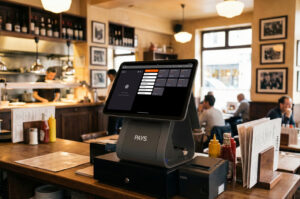
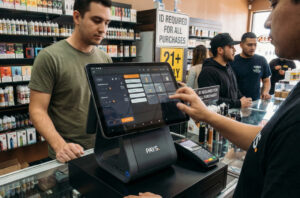
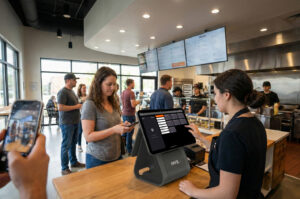
That’s exactly why PAYS POS fits. It’s not just “a POS.” It’s a margin protector and guest-experience amplifier.
Case Story
A Midwestern steakhouse was packed every weekend. But profit? Thin. They added prepaid pairings, flipped on dual pricing with PAYS POS, and set deposits for private rooms. Average check? +$18. Processing costs? Down $10K a month. Same guests, same food, just smarter systems.
Conclusion
Consumer spending in fine dining isn’t random. It’s tied to life moments, scarcity, storytelling, and frictionless payments. If your POS helps you read those signals, you stop just filling seats, you start filling margins.
Guests splurge for moments and stories, not just meals. Upsells, private rooms, and beverages drive checks higher. A POS with dual pricing and real analytics keeps those dollars where they belong on your books, not the processor’s.
FAQs
Most spending is driven by special occasions (birthdays, anniversaries, proposals), scarcity of reservations, storytelling from chefs or sommeliers, and social proof like Michelin awards or online buzz.
When presented transparently on the bill and signage, dual pricing is widely accepted. Guests appreciate choice (cash vs. card), while operators keep more of the revenue by avoiding credit card fees.
POS systems track guest spend patterns, menu item performance, upsell success, and reservation deposits. This data helps operators adjust menus, pacing, and marketing for maximum profit.