What Psychology Makes Restaurant Promotions Actually Work?
Have you ever thought about this? How did the two restaurants that run the same promotion, but only one saw the results?
The difference has very little to do with the offer itself and everything to do with how well it taps into guest psychology. Diners don’t just respond to discounts; they respond to how those discounts make them feel. What they notice, what they value, what creates urgency, and what gives them a sense of reward all shape their decision to act.
When a promotion aligns with these psychological triggers. Such as perceived value, fear of missing out, social proof, or instant gratification, it stops being just another deal and becomes a compelling nudge that drives behavior. And once you understand and apply these triggers intentionally, your promotions shift from unpredictable experiments to consistent revenue drivers.
Why Restaurant Promotions Matter
If you’re running a franchise or a standalone restaurant, you’ve probably run promotions before. But did you know that a well-executed promotion can have a significant impact on customer behavior? From driving traffic during slow hours to building customer loyalty, promotions are a powerful tool for any restaurant.
But not all promotions are created equal. The key to success lies in understanding how human behavior works, how customers think, react, and make decisions. That’s where psychology comes in.
The Psychology Behind Restaurant Promotions
Humans are creatures of habit, but we’re also influenced by certain triggers that push us to take action. Understanding these triggers can help you design promotions that tap into your customers’ subconscious desires. Some of the most powerful psychological principles in play include:
- Scarcity and Urgency: The fear of missing out (FOMO) is a huge motivator. Limited-time offers or “while supplies last” deals create a sense of urgency, prompting customers to act quickly. This works because people tend to place more value on things that seem rare or fleeting.
- Social Proof: If customers see others taking advantage of a deal, they’re more likely to do the same. Promotions that highlight how many people have already claimed a special offer, or that offer discounts for groups, tap into this herd mentality.
- Reciprocity: When people feel like they’ve received something of value, like a free dessert or a special discount, they feel an innate desire to give something back. This is the principle of reciprocity in action and can help encourage repeat visits and greater customer loyalty.
- Anchoring: The initial price you present influences how customers perceive the value of the deal. For instance, offering a $25 meal for $15 gives the impression of a great deal because customers are comparing the discounted price to the original one.
Strategies for Effective Restaurant Promotions
Now that we’ve covered the psychology behind restaurant promotions, let’s explore some strategies that work in real-world settings. These are tried-and-true methods used by successful franchises to boost engagement and drive sales.
1. Use Loyalty Programs
Loyalty programs are more than just a way to reward frequent customers, they tap into the psychological principle of commitment and consistency. When customers sign up for a loyalty program, they feel a sense of commitment to your brand. Offering rewards, such as discounts or free items after a certain number of visits, keeps customers coming back.
Example: A local pizzeria implemented a points-based loyalty program, rewarding customers for each order. Within three months, repeat business increased by 30% as customers were eager to collect points for a free pizza.
2. Use Time-Limited Offers to Create Urgency
As we mentioned earlier, scarcity and urgency drive customers to act quickly. Time-limited promotions like “Happy Hour Deals” or “Flash Sales” can effectively increase foot traffic and sales during slower hours.
Example: A trendy cafe offered a “15% Off Coffee Orders from 2 PM to 4 PM” for two weeks. The promotion increased sales by 20% during off-peak hours.
3. Bundle Deals for Added Value
Bundling is a psychological pricing strategy that makes customers feel like they’re getting more for their money. For instance, offering a meal bundle with a drink and dessert at a discounted price encourages customers to spend more, all while feeling like they’re receiving great value.
Example: A fast-casual restaurant offered a “Burger, Fries, and Drink” combo at a 15% discount. The promotion not only increased the average ticket size but also introduced new customers to their menu items.
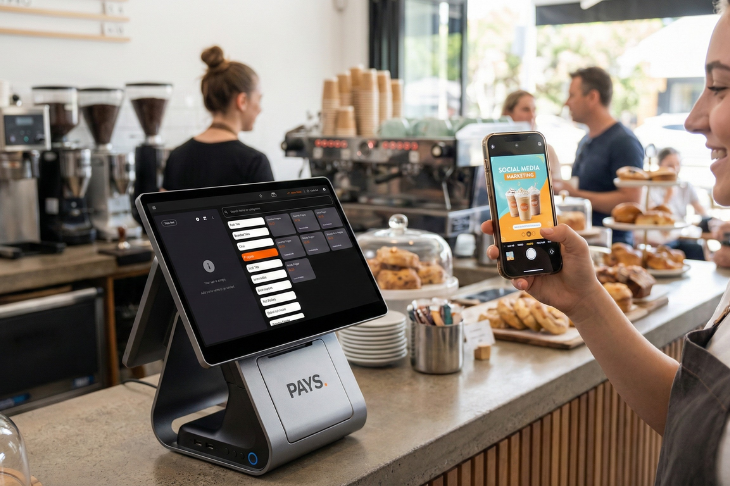
4. Encourage Social Sharing with “Tag and Save” Deals
Social proof can be amplified by offering promotions that require customers to tag the restaurant on social media in exchange for a discount. This encourages customers to share their experience with their networks, increasing your brand’s exposure while providing a reward for engagement.
Example: A Mexican restaurant ran a “Tag Us on Instagram and Get 10% Off Your Meal” promotion. The result? A 40% increase in social media engagement and a boost in new customers visiting from Instagram.
Also Read: Market Demand for Fine Dining in the U.S. and How POS Supports It
Why PAYS POS Provides the Better Solution
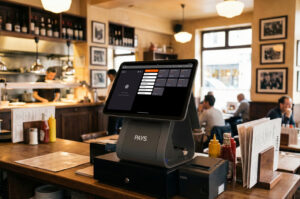
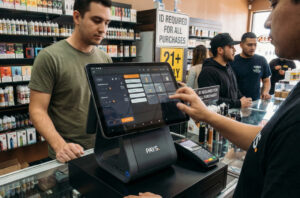
PAYS POS isn’t just about handling payments, it’s about helping you execute promotions effectively. With features like loyalty program integrations, real-time analytics, and easy promotional setup, PAYS POS can help your restaurant drive engagement and boost sales without the headaches.
Compare this to competitors like Square or Clover, where customization options may be more limited, and you’ll see why PAYS POS stands out.
Restaurant promotions are an art, blending psychology with strategy to create irresistible offers. By leveraging loyalty programs, urgency, and social proof, you can increase customer engagement and boost sales. The right POS system, like PAYS POS, is essential for executing these strategies seamlessly.
Book a free demo of PAYS POS today and start driving customer loyalty and boosting your bottom line.
FAQs
By using the psychology of urgency, social proof, and reciprocity, you can craft promotions that drive customer action and repeat business.
The best POS system for restaurants should offer loyalty program integrations, real-time analytics, and customizable promotional tools. PAYS POS is designed to help with all of these.
Yes! Loyalty programs can increase repeat business by up to 30%, making them a worthwhile investment for small restaurants looking to build a strong customer base.
By creating a sense of urgency, time-limited promotions encourage customers to act quickly, often resulting in increased foot traffic and sales during slower periods.
Absolutely! Social media promotions, like "Tag and Save" deals, can significantly increase brand visibility, driving new customers through word-of-mouth and user-generated content.